Transcript
Hello and welcome back. I am Josh from Nomio, but everyone here knows me as “That Contract Management Maniac, who has done nothing but this for seven years.”
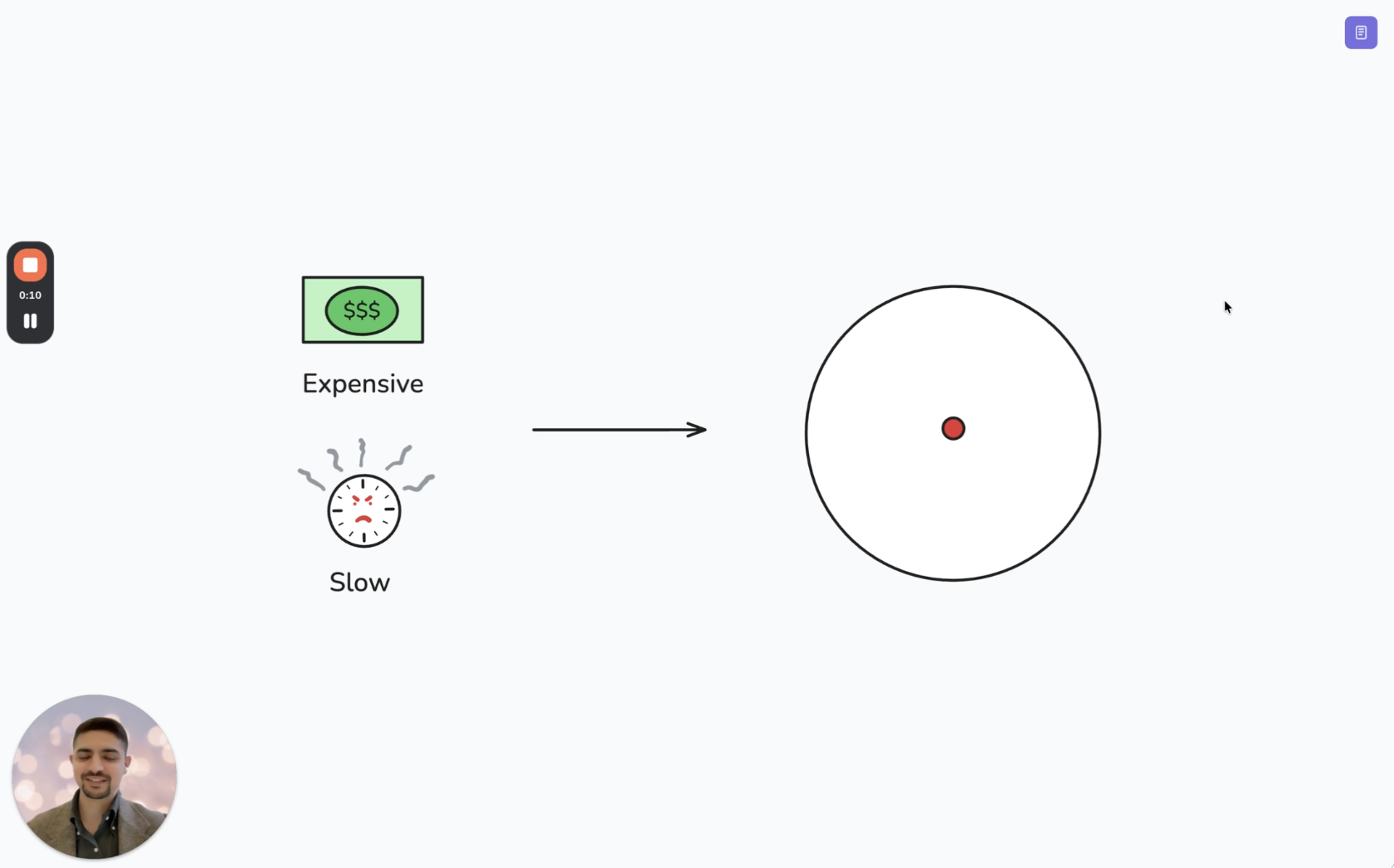
In the last video, we talked about the chronic side of key person risk and how it manifests as expensive mistakes, missed opportunities, and dangerous risks.
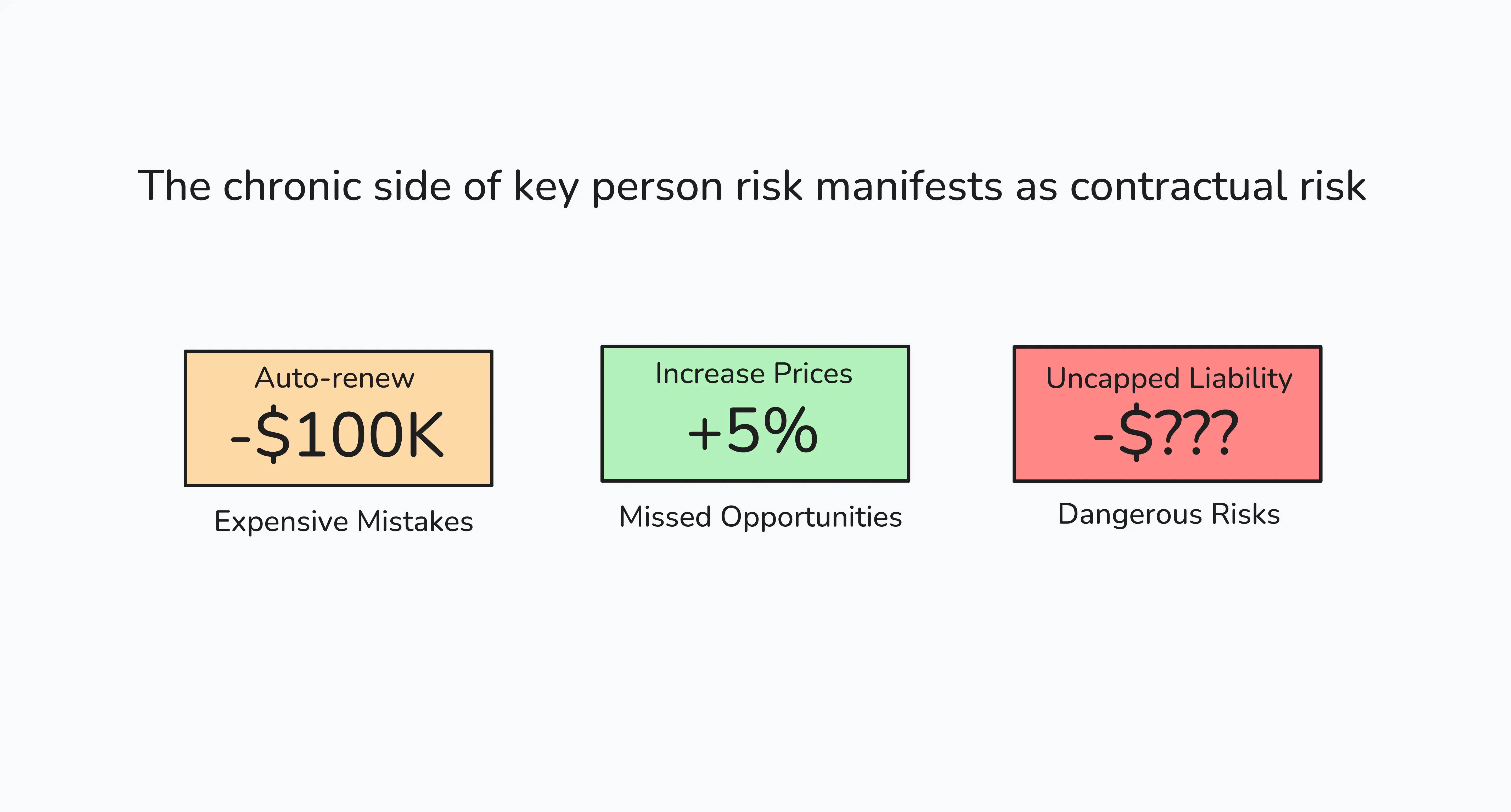
All of this represents lost money. But there’s an equally dangerous kind of key person risk, and that’s acute key person risk.
And the difference is that chronic key person risk is always there.
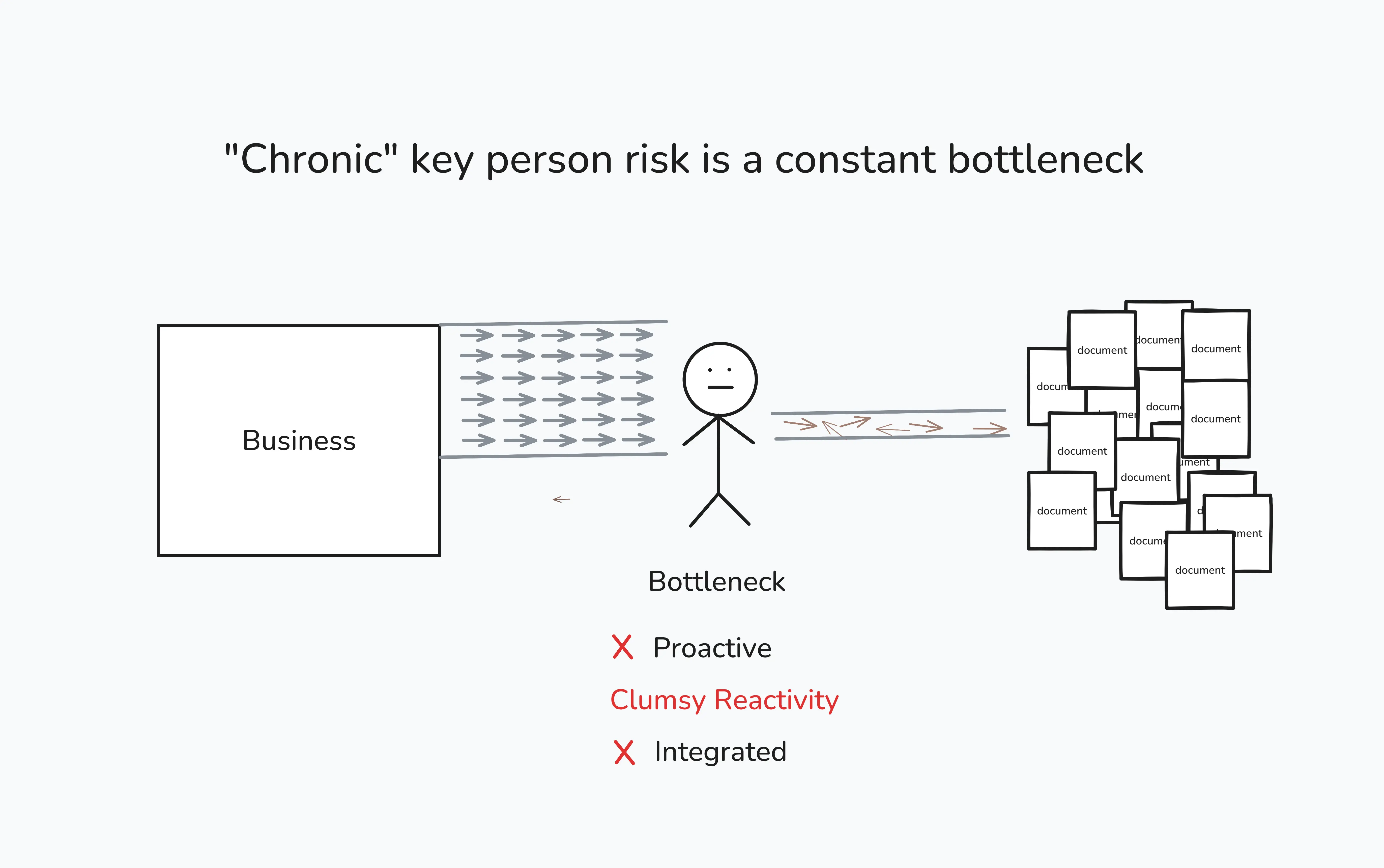
It’s friction that you feel in your business every single day, and it holds you back versus where you could be with a much better system for storing and accessing the information in your contracts.
But this completely grinds to a halt when for some reason your key person becomes unavailable.
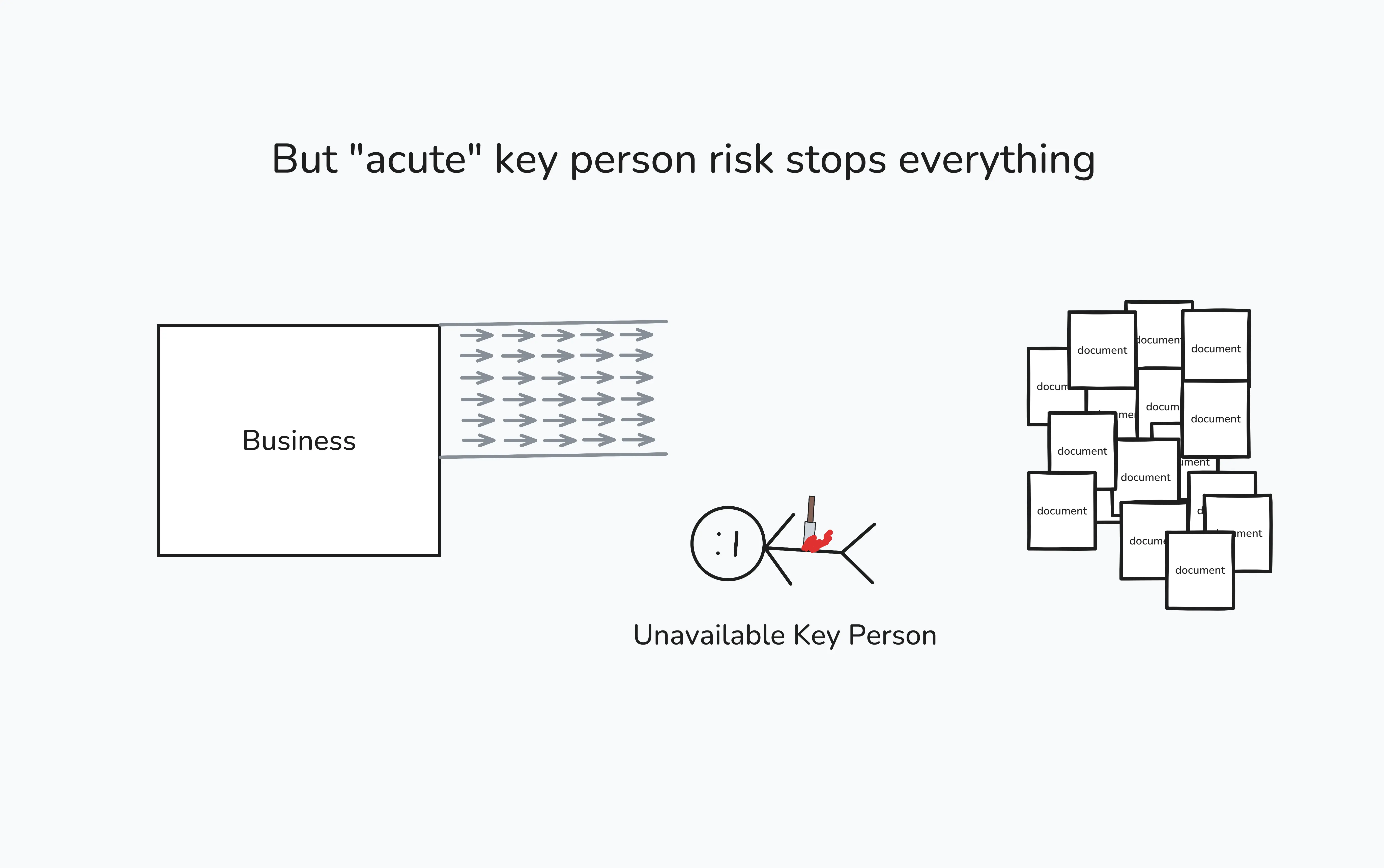
And this underscores just how brittle so many companies are that you take away one person or two people and suddenly there’s no visibility on what’s going on in their contracts.
The thing is that by the time the person becomes unavailable, it’s too late to fix the problem, because that person is a critical input into building the kind of system that doesn’t depend on them.
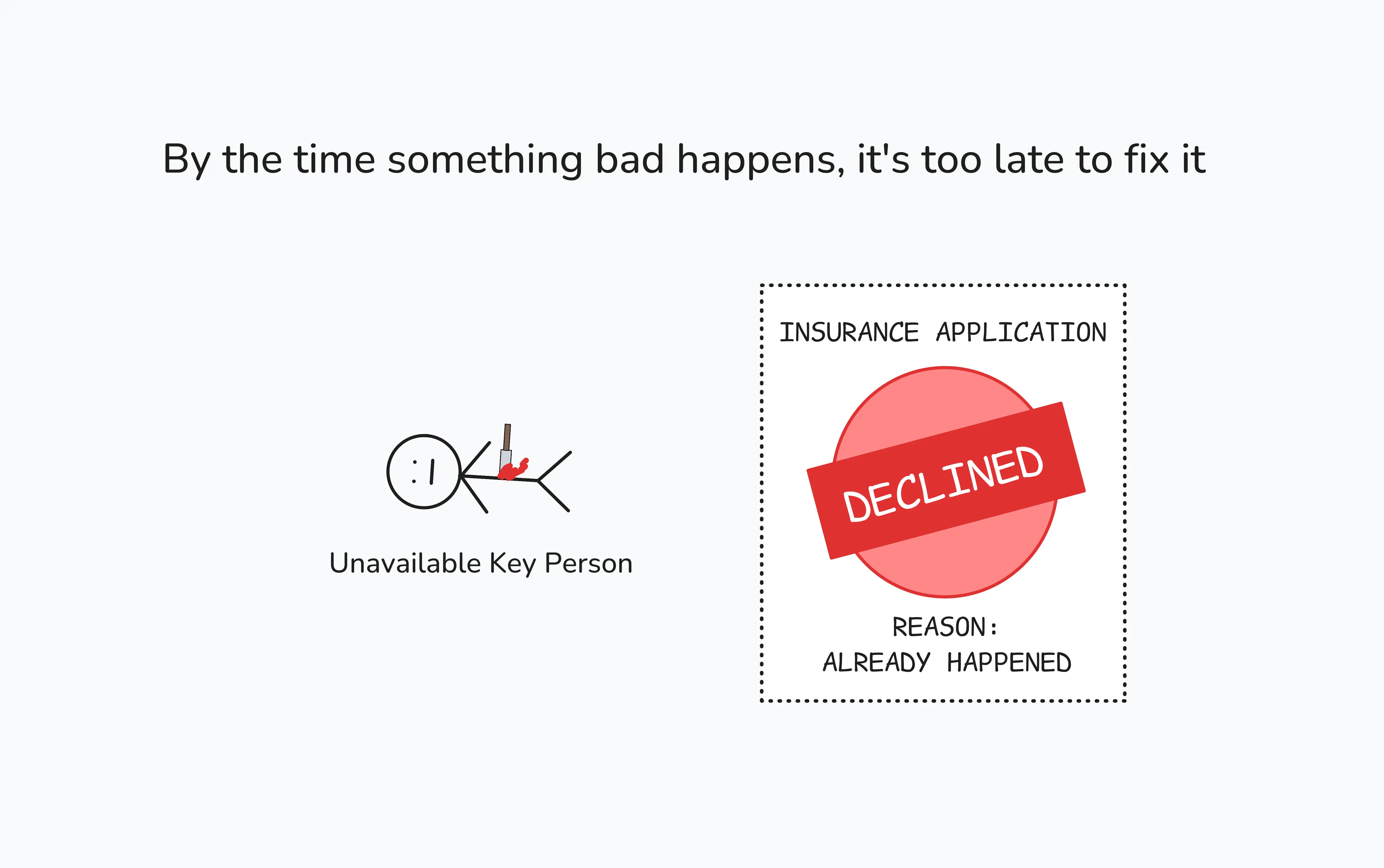
And the thing is, it doesn’t just need to be that this person gets taken out, like they go on holiday, or they leave the business, or something terrible happens to them.
They simply have to just be unavailable, because there are other things that rip them away from looking after the contracts. And the kind of person you would have as a key person is usually also the kind of person that has to deal with regulatory problems, urgent transactions, hiring, HR problems, stuff with the board.
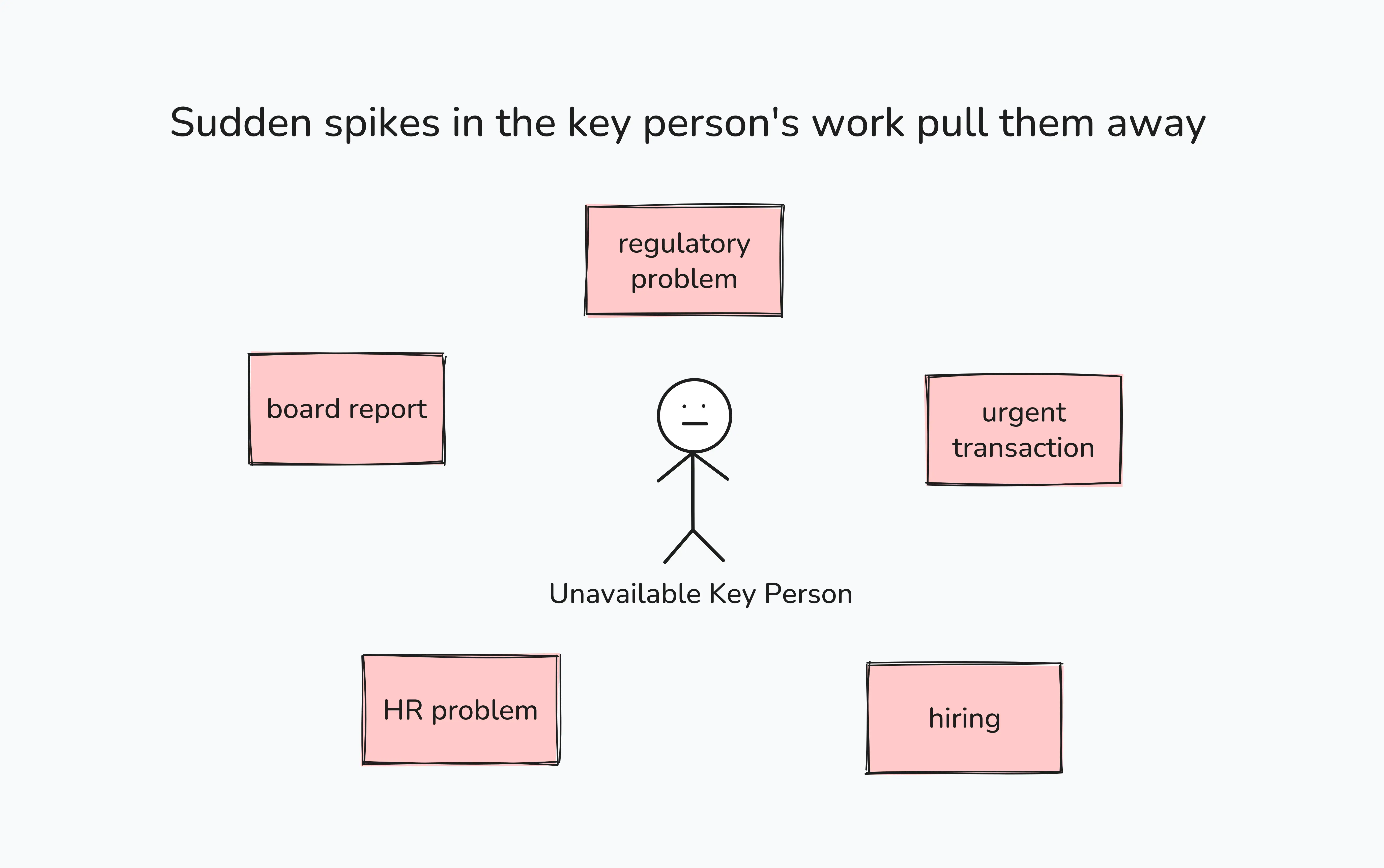
Whether this is your head of procurement, or your general counsel, or someone else in your legal team who’s super stretched, sometimes even someone from the executive team.
Although we typically think of spiky workloads as things that sometimes happen, and so they’re not so destructive to daily operations, the problem is that our key person is almost always the sort of person who gets hammered every day with one-off, urgent requests.
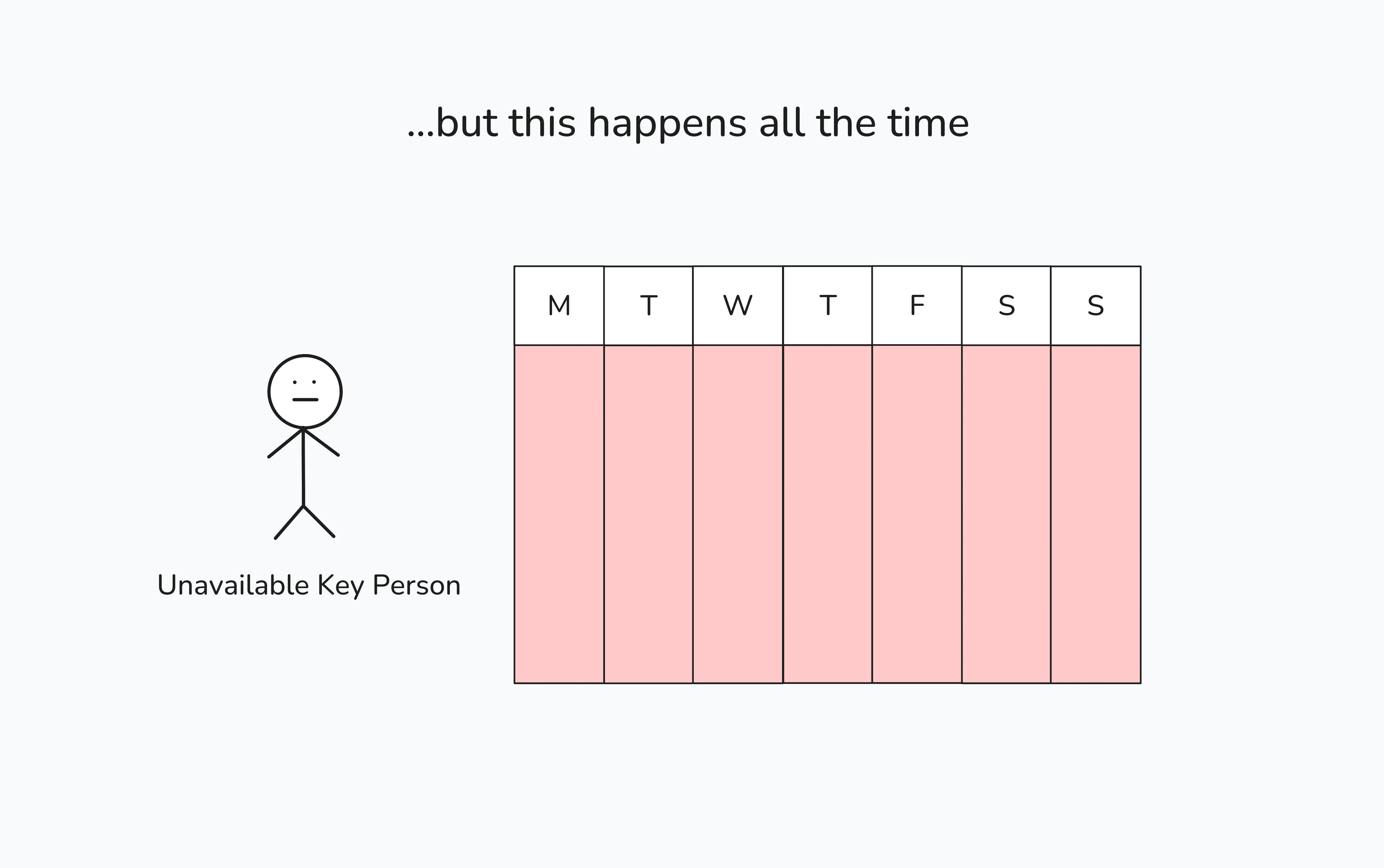
This person’s calendar being so full of things that make them unavailable makes it functionally equivalent to them being completely unavailable to the business, like if they left the business.
And when someone like this leaves, what happens is we make no progress at all. We make no progress with our contract management because we accrue knowledge, it takes time to ramp up, and then we’re finally starting to get some value, bang, they’re gone.
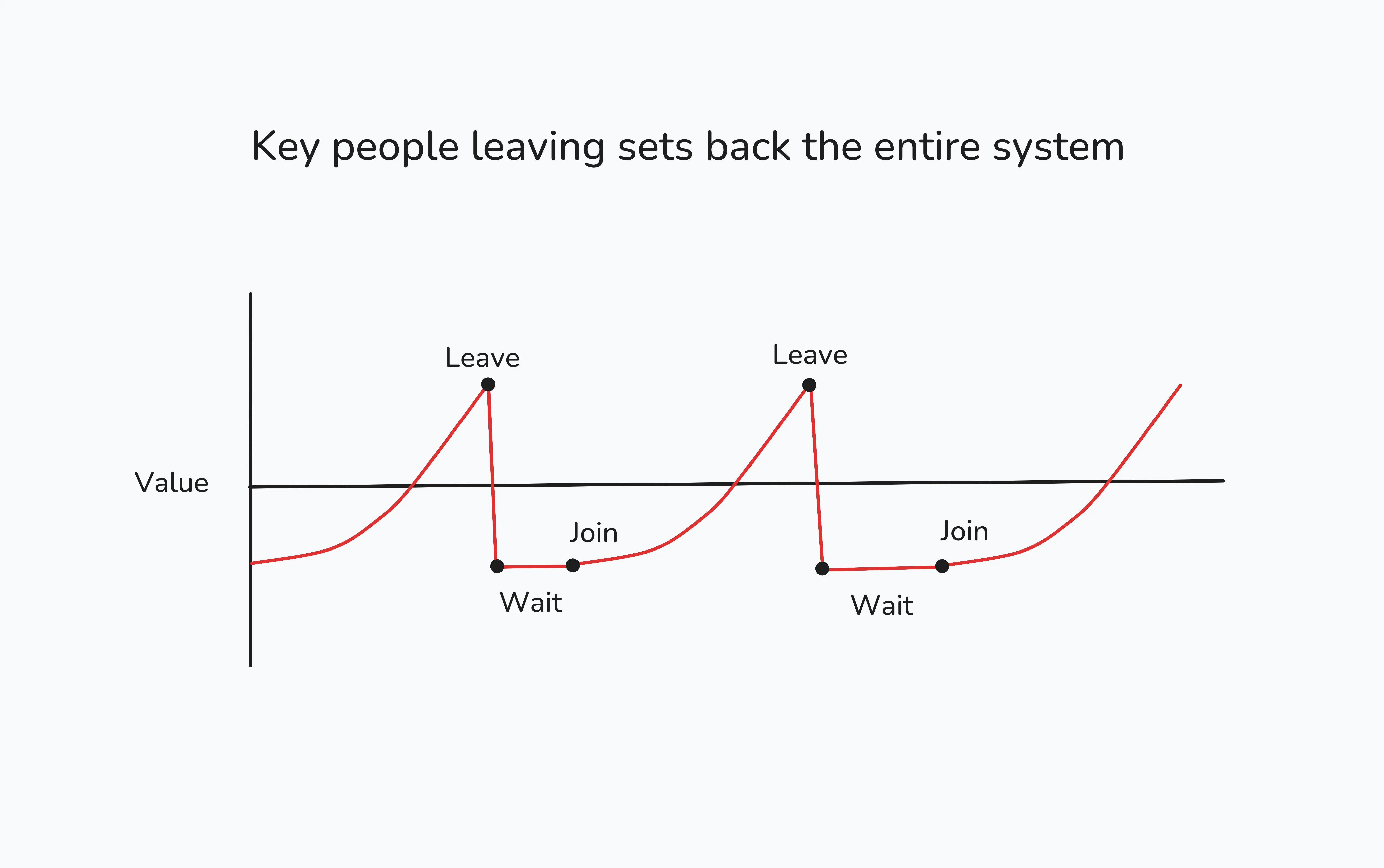
And then we’ve got to wait to hire someone else, and then the new person joins, and then they’ve got to ramp up, they’ve got to get familiar with everything, and even worse, they’ve got to make all of the same mistakes that we already learned on the last person’s watch, but none of that was documented, none of that was put into any form of institutional knowledge. There’s no institutional knowledge, which means we have to relearn everything and repeat the same miserable cycle again and again.
Now contrast this with building a proper system that compounds over time, that as time goes on, it just gets more and more valuable to the business.
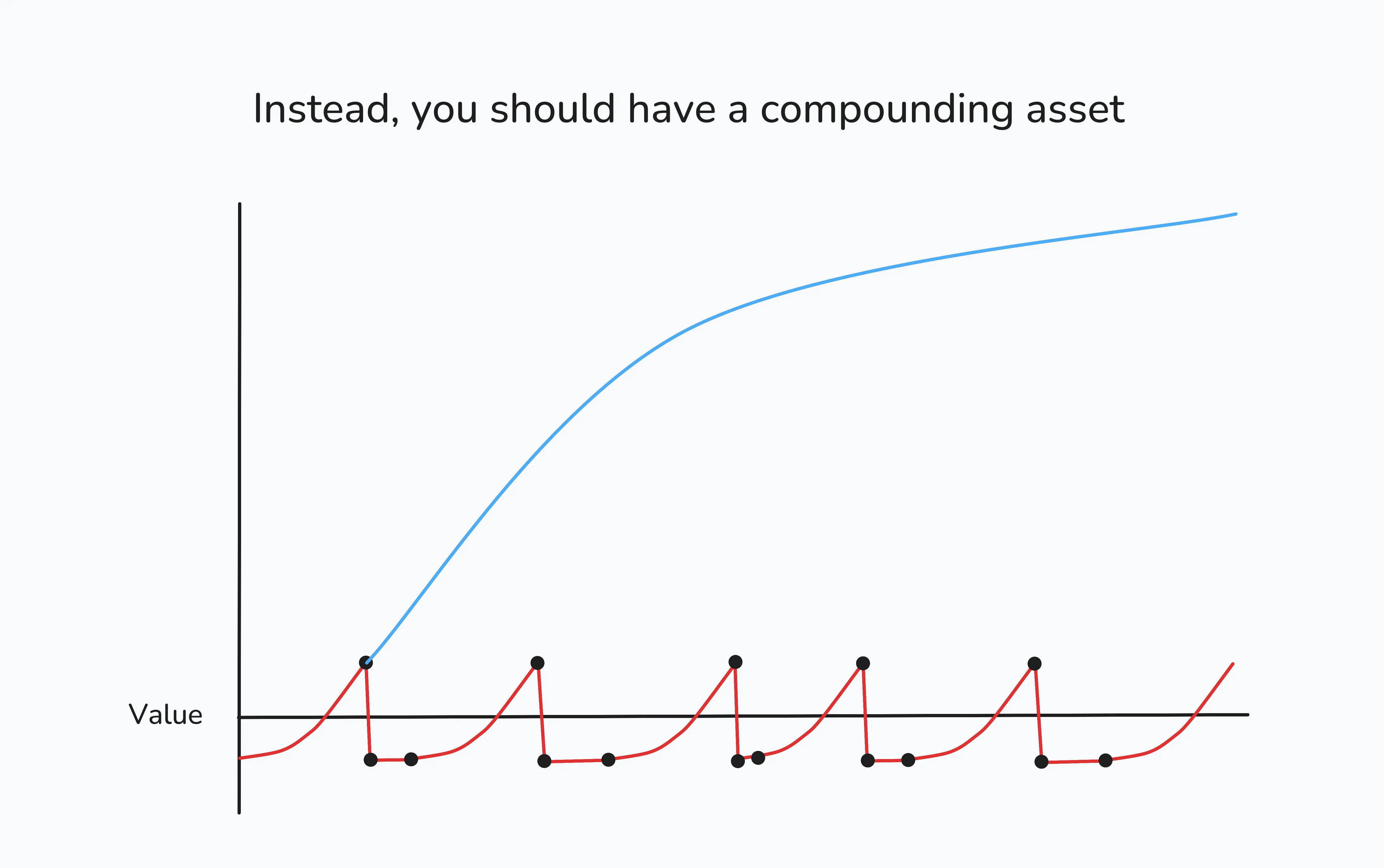
You lock in more and more improvements. You gain more and more sophistication. You can query your contracts faster. There’s more information that you can query.
It’s less and less brittle to anyone leaving. And it becomes more and more integrated into the systems and workflows of the business.
Now, this is a true asset. This is something that actually makes your business more valuable. But the kind of setup that we’ve got right now actually destroys business value.
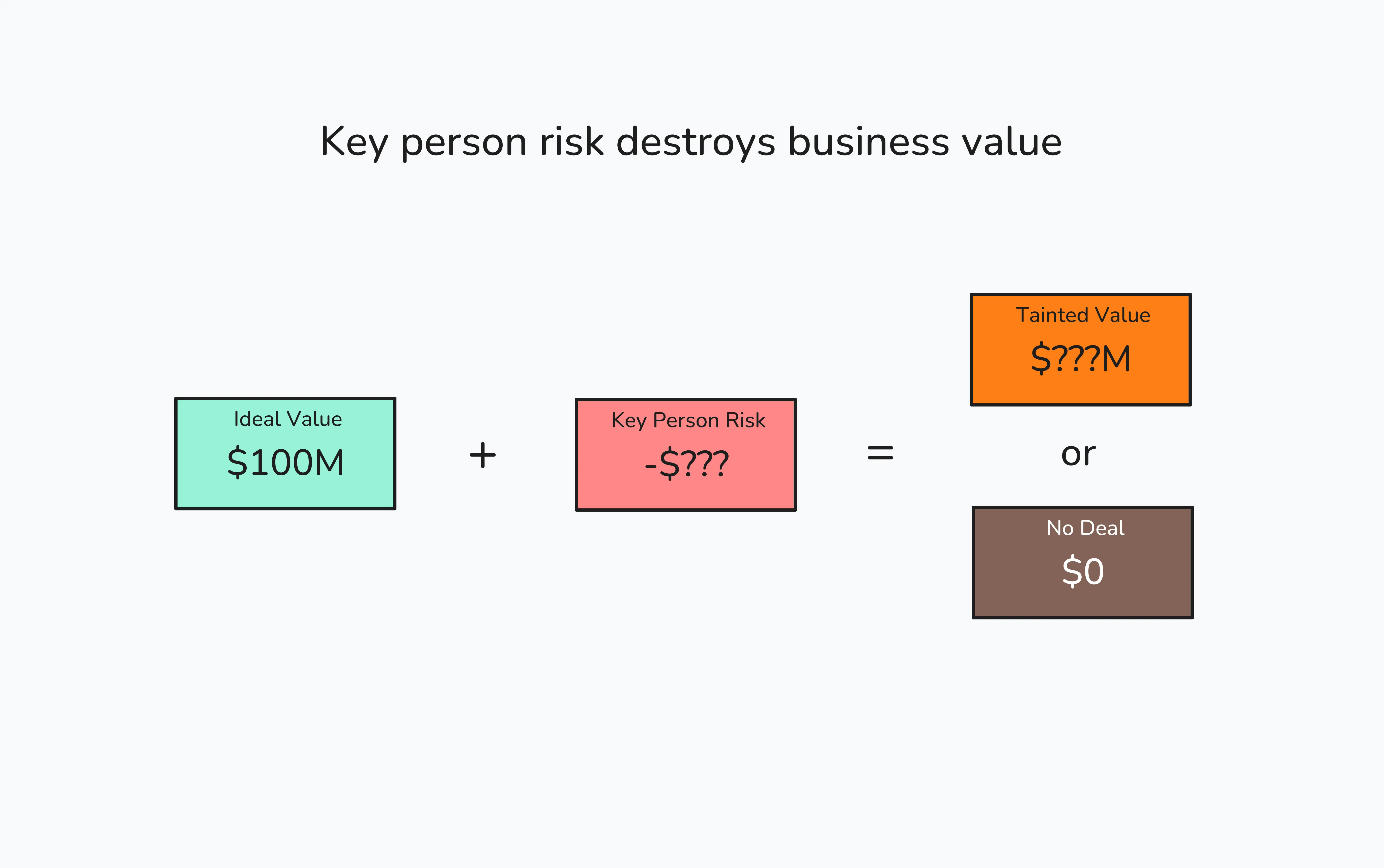
When we have key person risk, we inflict an unmeasurable discount on the value of the business. And this means that if you’re ever looking to sell the business, or even raise money as part of an investment, you drag down the value of the business, in the best case, or the key person risk might be such that you actually compromise the deal altogether. And this could either be directly because the buyer sees this key person risk and doesn’t want to buy such a risky asset, or it could be that the accompaniment to this key person risk is a really bad system of record for your contracts, which means that you can barely provide even basic information that any acquirer or investor needs in order to feel comfortable doing the deal.
In the next session, we’re going to talk about what the solution to this is. Thank you very much. Have a wonderful day.